
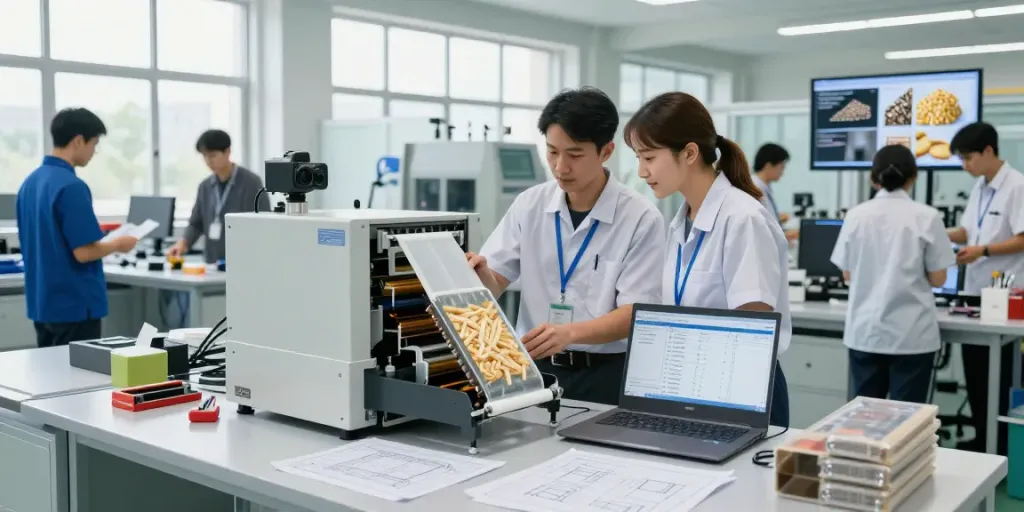
The Evolution of Customized Packaging Solutions
In today's fast-paced and ever-evolving marketplace, customized packaging solutions have emerged as a cornerstone for businesses aiming to stand out and meet consumer expectations. From the days of plain, generic packaging to the sophisticated, tailored approaches we see today, the journey of customized packaging is a testament to innovation and adaptability in the industry. Major players like Durzerd, a global manufacturer of open-mouth bagging machines and FFS packaging lines since 2005, have been at the forefront of providing solutions that not only enhance productivity but also cater to specific client needs.
Historical Overview of Customized Packaging
The concept of packaging has existed for centuries, primarily aimed at protecting goods during transportation. However, as brands began to recognize the importance of packaging for branding and marketing purposes, the focus shifted towards customization. The transition from standard packaging to customized solutions was driven by the need for businesses to create distinctive identities and achieve competitive advantages. Companies like Durzerd recognize the need for customized projects and have evolved alongside this trend, constantly adapting to the demands of modern industries.
Major Milestones in Packaging Technology
Packaging technology has witnessed remarkable advancements, from manual processes to the automation of production lines. The introduction of flexible packaging, automation in filling and sealing, and the rise of sustainable materials have transformed the landscape. Key innovations such as digital printing and automated bagging systems have made it possible for manufacturers to offer highly customizable solutions tailored to specific client requirements. This evolution in technology is essential for providing customized packaging solutions that enhance both aesthetics and functionality.
How Industry Needs Shaped Customization
As industries began to recognize that one-size-fits-all packaging was no longer sufficient, the push for customized solutions grew stronger. Different sectors, including food, pharmaceuticals, and consumer goods, have unique packaging requirements driven by regulations, shelf life considerations, and branding strategies. This has led to an increasing demand for tailored packaging solutions that not only meet these diverse needs but also contribute to overall brand identity and customer satisfaction. Businesses now view packaging as a critical touchpoint in the consumer journey, making customization an essential consideration.
Understanding Current Trends in Customized Packaging
The packaging industry is currently undergoing significant changes influenced by consumer behavior, technological advancements, and sustainability concerns. As we approach 2026, several key trends are emerging that will shape the future of customized packaging solutions.
Key Drivers of Demand in 2026
By 2026, the demand for customized packaging solutions is expected to surge, driven by factors such as e-commerce growth, the rise of personalized products, and increasing consumer expectations for quality and experience. Companies are now focusing on creating unique packaging that reflects their brand story and engages customers effectively. This includes offering variations in design, size, and materials to cater to specific market needs, ultimately enhancing customer loyalty and brand recognition.
Environmental Considerations and Sustainability
As environmental consciousness rises, consumers are increasingly favoring brands that prioritize sustainability. This trend has compelled manufacturers to innovate packaging solutions that are eco-friendly, recyclable, or made from sustainable materials. Customized packaging can now incorporate biodegradable options, reducing the environmental impact while still meeting consumer demands for uniqueness and personalization. Businesses that embrace these sustainable practices are likely to appeal to a broader audience and enhance their brand image.
Technological Innovations Revolutionizing Packaging
Technology continues to play a pivotal role in transforming packaging solutions. Advancements in artificial intelligence, machine learning, and automation are enabling manufacturers to streamline production processes while enhancing customization capabilities. Technologies such as smart packaging, which allows for real-time tracking and consumer interaction, are gaining momentum. These innovations not only improve operational efficiency but also provide valuable data insights that can help businesses refine their packaging strategies.
Challenges and Solutions in Custom Packaging
While the move towards customized packaging offers numerous benefits, it also presents several challenges that manufacturers must address to remain competitive in the market.
Common Obstacles Faced by Manufacturers
One of the primary challenges facing manufacturers is the complexity of managing a diverse range of packaging options. Production capabilities, supply chain constraints, and regulatory compliance are significant factors that can hinder the customization process. Additionally, balancing cost-effectiveness with the desire for high-quality materials can pose a dilemma for businesses looking to implement customized packaging solutions.
Strategies for Overcoming Packaging Hurdles
To navigate these challenges, companies can adopt several best practices:
- Investing in technology that automates and streamlines the production process can help reduce errors and improve efficiency.
- Building strong relationships with suppliers to ensure access to quality materials that meet sustainability requirements can alleviate some supply chain concerns.
- Conducting thorough market research to understand consumer preferences can guide design and material choices effectively, leading to a better alignment of packaging with customer expectations.
Case Studies of Successful Custom Packaging Solutions
Numerous brands have successfully implemented customized packaging solutions to boost their market presence. For instance, a prominent food brand leveraged digital printing technologies to create limited-edition packaging for its products, resulting in a significant increase in sales and customer engagement. Similarly, a cosmetic company redesigned its packaging to include sustainable materials, resonating with its eco-conscious target audience and enhancing its brand reputation.
Best Practices for Implementing Customized Packaging
Implementing customized packaging solutions effectively requires a strategic approach that considers various factors such as design, technology, and consumer preferences.
Steps for Assessing Your Packaging Needs
The first step in implementing customized packaging is to assess your specific needs thoroughly. This involves understanding your target audience, identifying market trends, and defining your brand's unique selling proposition. Engaging with stakeholders across the supply chain can provide insights into packaging requirements and expectations.
Choosing the Right Technology for Custom Solutions
Selecting the appropriate technology is crucial for successfully executing customized packaging solutions. Companies should evaluate options such as automated bagging machines and flexible packaging systems that can adapt to different requirements. Leveraging technologies that offer scalability will also ensure that your packaging solutions can grow with your business.
Measuring Success: Metrics for Custom Packaging
To gauge the effectiveness of your customized packaging solutions, it's essential to establish key performance indicators (KPIs). Metrics such as customer satisfaction, return rates, and sales growth can provide valuable insights into how well your packaging resonates with consumers. Continuous monitoring and adaptation based on these metrics will help you refine your strategies over time.
The Future of Customized Packaging Solutions
As we look towards the future, the landscape of customized packaging solutions appears promising, driven by emerging technologies and evolving consumer demands.
Emerging Technologies and Their Potential Impact
Emerging technologies such as 3D printing, augmented reality, and smart packaging are set to revolutionize how manufacturers approach customization. These technologies will enable brands to create highly personalized packaging experiences that resonate with consumers at a deeper level, ultimately fostering brand loyalty and engagement.
Predictions for the Packaging Industry in 2030
By 2030, the packaging industry is expected to embrace a more sustainable and technologically advanced future. Customization will become even more integral, with brands leveraging data analytics to understand consumer preferences better. The packaging of the future will likely be dynamic, allowing for real-time updates based on market trends and consumer feedback.
Preparing Your Business for Future Trends
To remain competitive in this evolving landscape, businesses must proactively prepare for future trends in customized packaging. This includes investing in research and development, staying informed about technological advancements, and fostering a culture of innovation within the organization. Adapting to change will be key to achieving long-term success in the packaging industry.
What are the benefits of customized packaging solutions?
Customized packaging offers numerous advantages, including enhanced brand recognition, improved customer experience, and the ability to meet specific product requirements. By providing tailored solutions, businesses can differentiate themselves in a crowded marketplace and foster lasting connections with consumers.
How can companies leverage technology in packaging?
Companies can leverage technology in packaging by investing in automation, data analytics, and sustainable materials. This enhances efficiency, reduces costs, and meets environmental standards, ultimately leading to better-customized packaging solutions that resonate with consumers.
What are the sustainability practices in modern packaging?
Sustainability practices in modern packaging include using recyclable materials, reducing waste, and adopting eco-friendly manufacturing processes. Brands can also explore biodegradable and compostable packaging options to align with growing consumer preferences for environmentally responsible products.
How do I choose the right customization options for my product?
Choosing the right customization options involves assessing your target audience, understanding market trends, and defining your brand identity. Engaging with suppliers and utilizing consumer feedback can help you identify the most effective customization strategies for your products.
What challenges do businesses face with custom packaging?
Businesses often encounter challenges related to supply chain management, production complexities, and balancing cost against quality. By implementing strategic practices and leveraging technology, companies can overcome these hurdles and successfully implement customized packaging solutions.