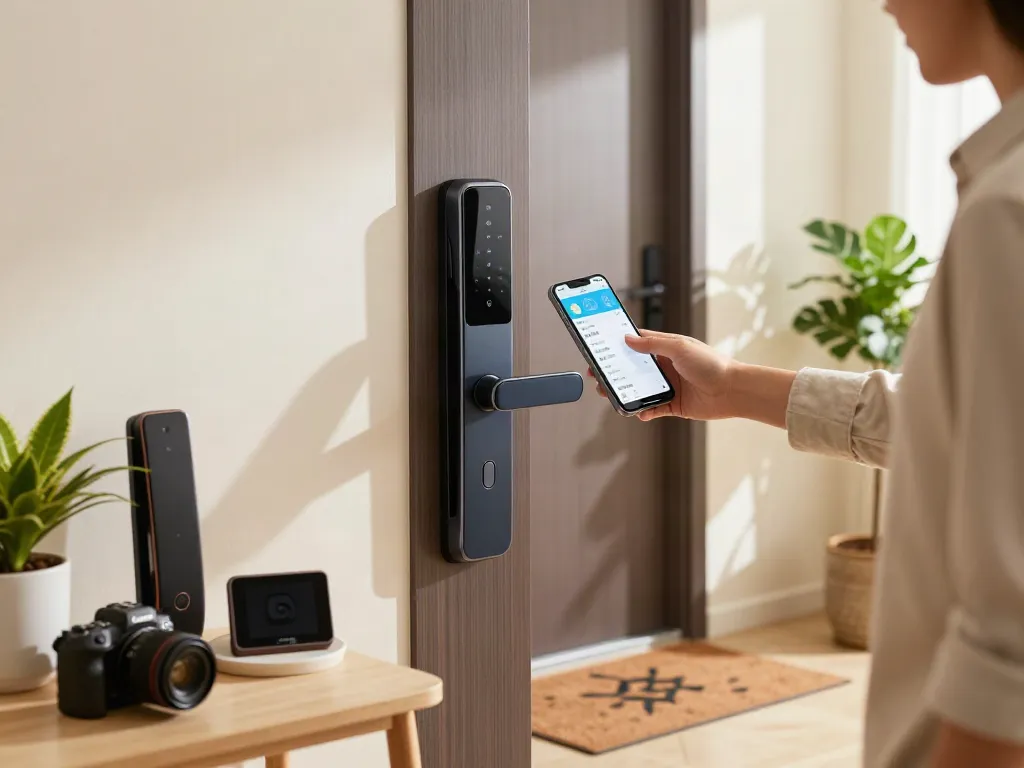
Understanding Smart Locks: The Future of Home Security
In an era where technology is increasingly integrated into our daily lives, the evolution of home security reflects this trend. Smart locks have emerged as a leading solution for enhancing security while providing convenience and accessibility. These innovative devices not only replace traditional keys but also offer a variety of features that cater to modern lifestyle needs. While adopting a smart lock can seem daunting, understanding their capabilities, benefits, and application can simplify the decision-making process. When exploring options, قفل هوشمند provides comprehensive insights to ensure you choose the right option for your security needs.
What is a Smart Lock?
A smart lock is an electronic lock that uses technologies such as Bluetooth, Wi-Fi, or network protocols to secure doors. Unlike traditional locks, which require physical keys, smart locks allow users to unlock doors using their smartphones, keypads, or biometrics like fingerprints. These devices can be controlled remotely, enabling homeowners to grant access to visitors from anywhere in the world.
How Smart Locks Enhance Security
The primary function of a smart lock is to enhance security through advanced features. For instance, most smart locks offer encryption that significantly reduces the risk of unauthorized access. Additionally, many models come equipped with alert systems that notify homeowners of suspicious activities, such as forced entry attempts. By facilitating easy monitoring of access points, smart locks provide peace of mind for homeowners.
Types of Smart Locks Available Today
Smart locks come in various configurations, each offering unique features and benefits. Some of the most common types include:
- Biometric Locks: These locks use fingerprint recognition technology to grant access, providing robust security by ensuring that only registered fingerprints can unlock the door.
- Keypad Locks: Users enter a passcode to unlock the door. This system eliminates the worry of lost keys but requires careful management of the access codes.
- Wi-Fi and Bluetooth-Enabled Locks: These locks can be controlled via smartphones, allowing users to lock or unlock doors remotely while also sharing access with others through digital keys.
- Smart Locks with Cameras: Some advanced models incorporate cameras, enabling homeowners to see who is at the door before granting access.
Choosing the Right قفل هوشمند for Your Home
Selecting the ideal smart lock involves assessing various factors, including security features, compatibility with existing systems, and your specific access needs. Homeowners should consider the various smart lock options to find the one that best serves their requirements.
Factors to Consider When Selecting a Smart Lock
When choosing a smart lock, keep the following considerations in mind:
- Security Features: Look for locks that offer advanced security features like encryption, tamper alerts, and two-factor authentication.
- Power Source: Some smart locks run on batteries, while others may require hardwired connections. Evaluate which option fits best with your home’s infrastructure.
- Integration with Other Smart Devices: Ensure that the smart lock is compatible with your other home automation systems, including voice assistants and security cameras.
- Cost: Smart locks are available in a wide range of prices. Determine your budget and balance it with the features that meet your security needs.
Comparing Biometric, Keypad, and Wi-Fi Smart Locks
When comparing smart locks, it’s essential to evaluate the pros and cons of biometric, keypad, and Wi-Fi options. Biometric locks offer high security but may be susceptible to issues if the sensor malfunctions. Keypad locks are user-friendly but require careful management of codes. Wi-Fi locks provide convenience and remote access but depend heavily on internet connectivity. Consider your lifestyle and security needs when making a decision.
Best Practices for Installation and Use
Proper installation and usage of smart locks are crucial for ensuring their efficacy. It is advisable to follow the manufacturer’s instructions during installation and to test the lock regularly for functionality. Utilize features like temporary access codes for visitors and adjust security settings based on your needs. Moreover, regularly update the device's firmware to safeguard against potential vulnerabilities.
Common Misconceptions About Smart Locks
Despite their growing popularity, smart locks are often surrounded by misconceptions that can deter potential users from making the switch.
Are Smart Locks Really Secure?
Many individuals worry about the security of smart locks, fearing they are more susceptible to hacking than traditional locks. However, reputable smart locks use advanced encryption methods that make unauthorized access challenging. While no system is entirely foolproof, the benefits of smart locks often outweigh the risks.
The Truth About Battery Life and Maintenance
Concerns about battery life are common among potential buyers. Most smart locks run on batteries that can last several months to a few years depending on usage and features. It's essential to regularly check battery status and replace them when needed to avoid lockouts.
Can Smart Locks Be Hacked?
While smart locks can potentially be hacked, risks are minimal with properly secured systems. Firmware updates and strong passwords can significantly reduce vulnerabilities. Furthermore, many locks feature alerts for any suspicious access attempts, adding an additional layer of defense against hacking.
Real-World Applications of Smart Lock Technology
The versatility of smart locks makes them suitable for various applications, from homes to commercial settings.
Case Studies: Homeowners Who Made the Switch
Numerous homeowners have reported increased convenience and security after transitioning to smart locks. For instance, families with children have found it easier to monitor and control access, while frequent travelers appreciate the ability to manage their home security remotely.
Smart Locks in Commercial Settings
Businesses have recognized the benefits of smart locks as well, utilizing them for enhanced security and ease of managing employee access. Many organizations deploy smart locks in conjunction with security systems, ensuring a cohesive security strategy.
Integration with Other Smart Home Devices
Smart locks can be integrated with various smart home devices to create a comprehensive security system. For example, linking smart locks with security cameras allows homeowners to receive alerts when someone approaches their door, fostering a proactive security approach.
Future Trends for Smart Locks: What to Expect in 2026
As technology continues to evolve, so too will smart locks. The future holds exciting developments that promise to enhance functionality and security.
Emerging Technologies in Lock Security
Innovations such as artificial intelligence and machine learning are expected to play a significant role in smart lock technology. These advancements may lead to locks that can learn user habits and adjust security protocols accordingly, further enhancing safety.
Predictions for Consumer Preferences
As awareness of smart technology grows, homeowners are expected to prioritize security and convenience over traditional locking mechanisms, opting for smart locks that offer both.
The Role of Artificial Intelligence in Smart Locks
Artificial intelligence is anticipated to revolutionize smart locks by enabling features such as facial recognition and predictive security alerts that enhance user experience.
What Are People Asking About Smart Locks?
Common questions regarding smart locks include: Are they worth the investment? What happens if the power goes out? Understanding these concerns can help potential buyers feel more confident in their decisions.
Is a Smart Lock Right for My Home?
A smart lock may be an excellent option if you value convenience and advanced security features. Analyzing your lifestyle and security priorities can help you determine if it fits your needs.
How Do I Choose Between Smart Lock Brands?
Researching different brands and reading customer reviews can help narrow your options. Compare features, warranties, and customer service offerings before making a final decision.
What Should I Know About Warranty and Support?
Before purchasing a smart lock, inquire about warranty and support options. A reliable manufacturer will offer robust customer support and warranty coverage to address any issues that may arise.
How Can I Improve My Smart Lock Security?
To improve smart lock security, utilize strong passwords, enable two-factor authentication, and keep your firmware updated. Regularly monitoring access logs can also help identify any unusual activity.
What Are the Cost Implications of Smart Locks?
Smart locks are available at various price points. While initial costs may be higher than traditional locks, the long-term savings through enhanced security and convenience make them a worthwhile investment.