
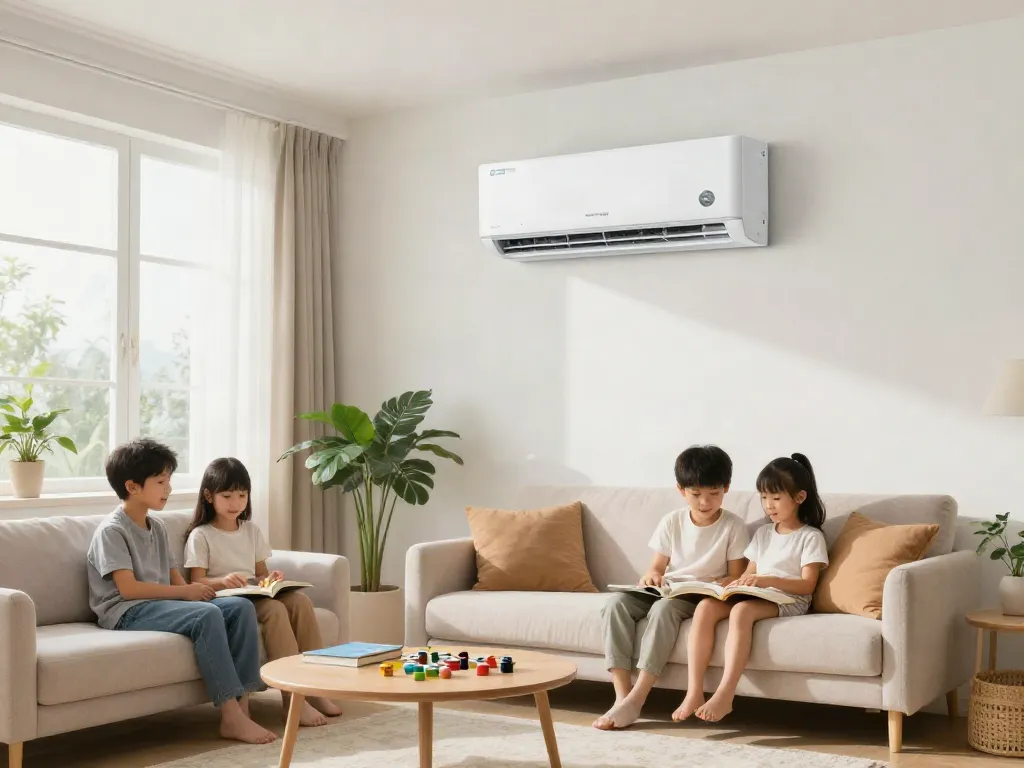
Understanding Mini Split AC Systems
As energy efficiency becomes a top priority for homeowners, the popularity of mini split air conditioners (AC) continues to soar. These systems are especially designed to provide both cooling and heating with minimal environmental impact. Unlike traditional HVAC systems, mini split ACs offer greater flexibility, efficiency, and control over indoor climates, making them an appealing choice for modern living. When exploring options, mini split ac solutions are worth considering for their innovative features and cost-effectiveness.
What is a Mini Split AC?
A mini split AC, also known as a ductless air conditioning system, consists of two main components: an outdoor condenser and one or more indoor air-handling units. This design avoids the need for extensive ductwork, which is often a drawback of traditional systems. Mini split systems can be installed in a range of settings, from individual rooms to larger spaces, allowing for tailored temperature control based on real-time needs.
The Anatomy of Mini Split AC Components
The primary components of a mini split AC system include:
- Outdoor Unit: Houses the compressor, condenser, and expansion valve. This unit is responsible for dissipating heat absorbed from the indoor space.
- Indoor Unit: Contains the evaporator coil and fan, responsible for distributing cooled or heated air into the room.
- Refrigerant Lines: Connect the outdoor and indoor units, facilitating the heat exchange process.
- Remote Control or Smart Controls: Many modern mini split systems come with smart technology, allowing users to adjust settings from their smartphones or home automation systems.
Benefits Over Traditional HVAC Systems
Mini split AC systems offer several advantages over conventional ducted HVAC options:
- Energy Efficiency: Mini splits can be significantly more energy-efficient since they avoid energy loss associated with ductwork.
- Flexibility: They can be installed in specific zones, allowing for targeted cooling and heating based on individual room requirements.
- Quieter Operation: Most mini splits operate quieter than traditional air conditioning units, enhancing indoor comfort without disruptive noise.
- Installation Ease: Often requires less invasive installation since no ductwork is needed, resulting in less disruption to your home.
Common Challenges with Mini Split AC Installations
Identifying Installation Misconceptions
Despite their advantages, mini split ACs are often surrounded by misconceptions. One common belief is that they are difficult to install; while professional installation is recommended for optimal performance, many models are designed for DIY setups. Additionally, there is a misconception that mini splits are only effective in small spaces; however, they can efficiently cool larger areas when properly configured.
Addressing Common Maintenance Issues
Regular maintenance is crucial for the longevity and efficiency of mini split systems. One common issue is the buildup of dirt on filters, which can hinder airflow and reduce efficiency. Homeowners should schedule seasonal cleanings and filter replacements to keep systems in top condition. Moreover, ensuring that the outdoor unit is free from debris will also help maintain efficiency.
Energy Efficiency Considerations
While mini splits are generally more energy-efficient, improper sizing can lead to energy waste. It's vital to consult with HVAC professionals to determine the appropriate system size for your space. Additionally, consider opting for models with high Seasonal Energy Efficiency Ratio (SEER) ratings to maximize energy savings.
Best Practices for Mini Split AC Maintenance
Regular Cleaning and Filters Replacement
To ensure optimal performance, regularly clean and replace filters. This process should be part of a bi-annual maintenance routine, ideally before the summer and winter seasons. Clogged filters can lead to increased energy consumption and reduced cooling or heating efficiency.
Seasonal Maintenance Tips
Before the peak seasons, such as summer or winter, conduct a thorough check of your mini split system. This should include inspecting the refrigerant lines, verifying that the outdoor unit is clear of obstructions, and ensuring that the condensate drain is functioning correctly. If any issues are found during your inspection, consider addressing them promptly to avoid more significant problems down the line.
Signs Your Mini Split AC Needs Repair
It's essential to recognize the early signs of potential problems. Some common indicators include:
- Inconsistent temperatures: If your unit is unable to maintain desired temperatures, it may require service.
- Unusual noises: Clanking, buzzing, or grinding noises can indicate mechanical issues.
- Increased energy bills: A spike in energy usage could suggest that your system is working harder than necessary due to inefficiencies.
Innovative Features of Modern Mini Split ACs
Smart Technology Integration and Controls
Modern mini split AC units come equipped with smart technology, allowing users to control their systems via smartphone apps or voice commands. This feature not only adds convenience but also promotes energy efficiency by enabling users to adjust settings in real-time based on usage patterns.
Energy Star Ratings: What They Mean
When shopping for mini split AC systems, look for Energy Star labels, which indicate that a product meets strict energy efficiency guidelines set by the U.S. Environmental Protection Agency. This can help you save money on energy bills while also reducing your home's carbon footprint.
Noise Reduction Technologies
Recent advancements in technology have led to quieter mini split systems. Many manufacturers incorporate sound-dampening features, reducing the operational noise of outdoor units significantly. This improvement can enhance indoor comfort, especially in quiet environments like bedrooms or home offices.
Future Trends in Mini Split AC Technology
Emerging Designs and Aesthetics for 2026
As consumer preferences evolve, the aesthetics of mini split systems are also changing. Future models are expected to integrate sleek and modern designs that blend seamlessly into any home decor, making it less obtrusive compared to traditional systems.
Eco-Friendly Refrigerants and Sustainability
With increasing awareness about environmental sustainability, manufacturers are developing mini split ACs that use eco-friendly refrigerants with low Global Warming Potential (GWP). This shift not only helps in compliance with environmental regulations but also appeals to eco-conscious consumers looking for sustainable options.
Predicted Market Growth and Consumer Preferences
As the demand for energy-efficient solutions grows, the mini split AC market is expected to experience significant growth. Consumers are increasingly opting for customizable, flexible home climate solutions that align with their energy-saving goals. This trend will likely lead to innovations that further enhance performance and eco-friendliness.
What are the disadvantages of a mini split?
While mini split ACs offer many benefits, they do have some drawbacks. These may include higher upfront costs compared to traditional units, potential maintenance complexities, and aesthetic concerns regarding the placement of indoor units.
Is a mini split AC worth it?
Investing in a mini split AC can be beneficial, especially for those seeking energy efficiency, flexibility, and improved indoor air quality. However, it's essential to calculate long-term savings and consider installation costs to determine if it's the right choice for your home.
Why is my electric bill so high with mini split?
High electric bills could indicate issues such as improper sizing, inadequate maintenance, or systems running inefficiently. Regular inspections and maintenance can help identify problems before they lead to increased energy costs.
What's the average cost to put in a mini split?
The cost of installing a mini split AC system varies based on factors such as the number of indoor units, the specific model, and installation complexity. On average, homeowners can expect to pay between $3,000 to $5,000 for a complete installation.
How do I choose the right mini split AC for my home?
Selecting the right mini split AC involves evaluating your specific cooling and heating needs, considering the size of the area to be conditioned, and consulting with HVAC professionals to determine the ideal capacity and features for your space.