Understanding Deepfake Technology and Its Implications
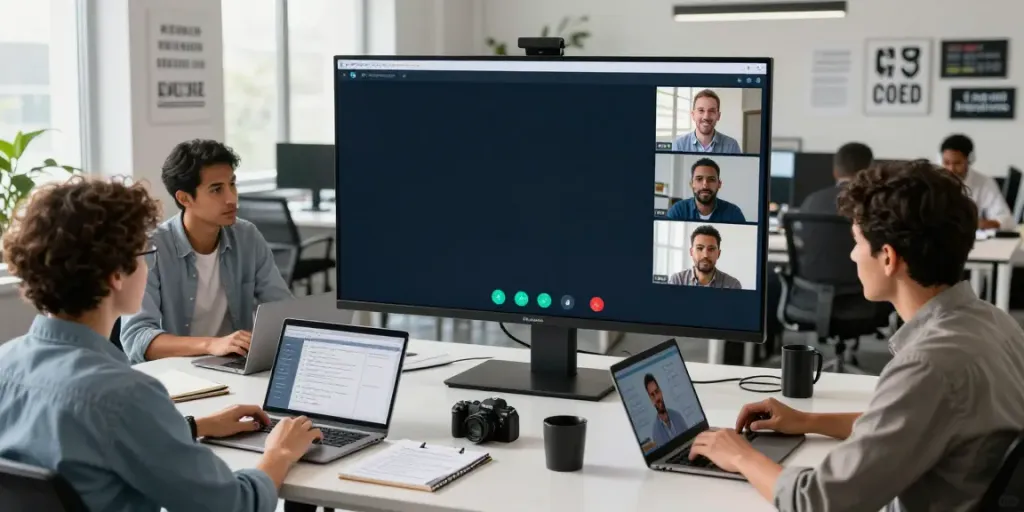
The rapid evolution of technology has brought about many conveniences, but none raise more concerns than the advent of deepfake technology. Deepfakes utilize artificial intelligence to create hyper-realistic audio and visual forgeries that can convincingly mimic real individuals. As these tools become increasingly sophisticated, their potential to disrupt online communication—especially in video conferencing—grows significantly. With the rise in remote work and virtual meetings, understanding how deepfakes function and their implications is crucial for businesses and individuals alike. When exploring options, Deepfake protected Online Video Calls, Meetings and Conferencing solutions are becoming essential for safeguarding sensitive communications.
What Is Deepfake Technology?
Deepfake technology is primarily based on deep learning, a subset of artificial intelligence that enables computers to learn from large amounts of data. By leveraging neural networks, deepfake algorithms can analyze how a person looks and sounds, creating realistic imitations of individuals in real time. Common applications include creating altered videos of celebrities for entertainment purposes, but the technology is also increasingly used for malicious intents, such as impersonating individuals to commit fraud.
The Rise of Deepfake Threats in Video Conferencing
The surge in remote work has paved the way for deepfake threats to infiltrate video conferencing platforms. Cybercriminals have begun using deepfake technology to impersonate executives or other trusted individuals during meetings, which can lead to significant security breaches and financial losses. The sophisticated nature of these deepfakes poses a challenge, as even trained professionals might struggle to distinguish between a real person and a deepfake during a video call.
Legal and Ethical Considerations of Deepfake Usage
The use of deepfake technology raises numerous legal and ethical questions, particularly surrounding consent and identity theft. As organizations increasingly deploy video conferencing technology, they must navigate a complex landscape of regulations that govern data protection and privacy. Moreover, the potential for reputational damage due to misuse of deepfake technology necessitates robust compliance strategies and ethical guidelines for its use.
Best Practices for Securing Online Meetings
Given the rise of deepfake threats, organizations must adopt proactive measures to secure their online meetings. Here are some best practices to consider:
Implementing Deepfake Detection Solutions
Organizations should consider investing in advanced deepfake detection solutions designed to identify the signs of manipulated media. These tools can analyze various aspects of video quality, such as inconsistencies in lighting, facial movements, and audio synchronization, helping to ensure the legitimacy of participants.
Recommendations for Video Call Security Protocols
- Use secure video conferencing platforms: Opt for platforms that provide end-to-end encryption and other security features tailored to protect against deepfakes.
- Authentication measures: Implement multi-factor authentication to verify the identity of participants before granting access to meetings.
- Restrict access: Limit meeting access to those who are required to attend and utilize waiting rooms to screen participants.
Enhancing Participant Authentication Techniques
In addition to traditional authentication methods, organizations can enhance security by adopting biometric verification processes. Using technologies such as facial recognition or voice identification can provide an additional layer of protection, helping to ensure that only authorized individuals can participate in critical discussions.
Comparative Analysis of Deepfake Protection Tools
As the market for deepfake protection tools expands, organizations need to evaluate their options carefully. Here’s a comparative analysis of some of the top solutions available in 2026:
Top Solutions for Businesses in 2026
1. iProov Verified Meetings: This platform integrates deepfake detection directly into its video conferencing services, allowing hosts to verify participants' authenticity seamlessly.
2. Facia AI: Known for its real-time detection capabilities, Facia offers robust solutions that alert users to potential deepfake threats during video calls.
3. Reality Defender: This service provides comprehensive security tools specifically designed for enterprises, focusing on protecting against deepfake and AI threats.
Cost-Effectiveness and ROI of Different Tools
When assessing the cost-effectiveness of deepfake protection tools, organizations should consider both the upfront investment and the potential ROI from preventing fraud or security breaches. Tools that provide comprehensive protection, while being affordable, will yield greater long-term benefits.
User Experience and Effectiveness Ratings
Evaluating user reviews and case studies can provide insights into the effectiveness of different deepfake detection solutions. User experience is a critical factor in ensuring that staff are comfortable using these tools, as a complicated interface may lead to lower adoption rates.
Real-World Case Studies of Deepfake Prevention
Learning from real-world applications can offer invaluable lessons for organizations looking to mitigate risks associated with deepfakes.
How Corporations Mitigated Deepfake Risks
Several high-profile organizations have successfully implemented deepfake detection solutions with impressive outcomes. For example, a multinational corporation faced an incident where a trained deepfake of their CEO was used to authorize a fraudulent transaction. By deploying advanced detection software, they were able to identify the compromise before any significant financial loss occurred.
Lessons Learned from Past Incidents
Analyzing past incidents of deepfake usage can provide organizations with crucial insights into vulnerabilities and best practices. For instance, many organizations have learned to prioritize employee training regarding the identification of suspicious behaviors during video calls.
Modeling Future Scenarios in Cybersecurity
As deepfake technology continues to evolve, organizations must prepare for future cybersecurity challenges. By modeling potential threat scenarios, businesses can develop more strategic plans to protect against emerging risks associated with deepfakes.
The Future of Secure Online Video Communication
The landscape of online communication is changing rapidly, with technology continually adapting to new threats. As we approach 2026, here's what businesses can expect in terms of security trends and innovations.
Emerging Technologies in Deepfake Detection
As deepfake technology becomes more advanced, so too will the tools designed to counteract it. Innovations such as blockchain-based identity verification and enhanced machine learning algorithms are on the horizon, potentially revolutionizing how organizations approach deepfake protection.
Predictions for Video Call Security Trends in 2026
By 2026, it is anticipated that video conferencing security will be heavily reliant on AI-driven verification systems. These systems will not only authenticate participants but also monitor for signs of deepfake manipulation in real-time, ensuring secure communications.
Preparing Your Business for Future Challenges
To stay ahead of emerging threats, organizations must invest in education and training for their employees. Understanding deepfake technology and its potential implications can empower staff to recognize threats and respond effectively. Additionally, regularly updating security protocols will ensure that businesses remain resilient against new types of deepfake attacks.
Are DeepFakes Actually Illegal?
The legality of deepfake technology is complex and varies by jurisdiction. While creating deepfakes isn't inherently illegal, using them for malicious purposes, such as defamation or fraud, can lead to significant legal consequences.
Can Anyone Secretly Watch Your Video Calls?
While unauthorized access to video calls is technically possible, it requires sophisticated tools and knowledge. However, individuals and organizations should always maintain caution and employ security measures to mitigate this risk.
Which App Is Best for Fake Video Calls?
While numerous apps claim to provide fake video call functionality, it is crucial to be aware of the ethical implications. Using such technology irresponsibly can lead to severe consequences, including damage to one’s reputation.
What Does Deepfake Protection Mean?
Deepfake protection refers to the range of tools and techniques designed to identify, prevent, and respond to deepfake threats. This protection is essential for maintaining the integrity and security of online communications.
How Can I Trust My Video Meetings in the Age of Deepfakes?
Implementing multi-layered security protocols, including participant verification, secure platforms, and deepfake detection tools, can significantly enhance trust in video meetings. Organizations must remain vigilant and proactive in their approach to safeguarding sensitive communications.